Military Reinstates Flu Shot Mandate for Recruits Amid Growing Outbreak

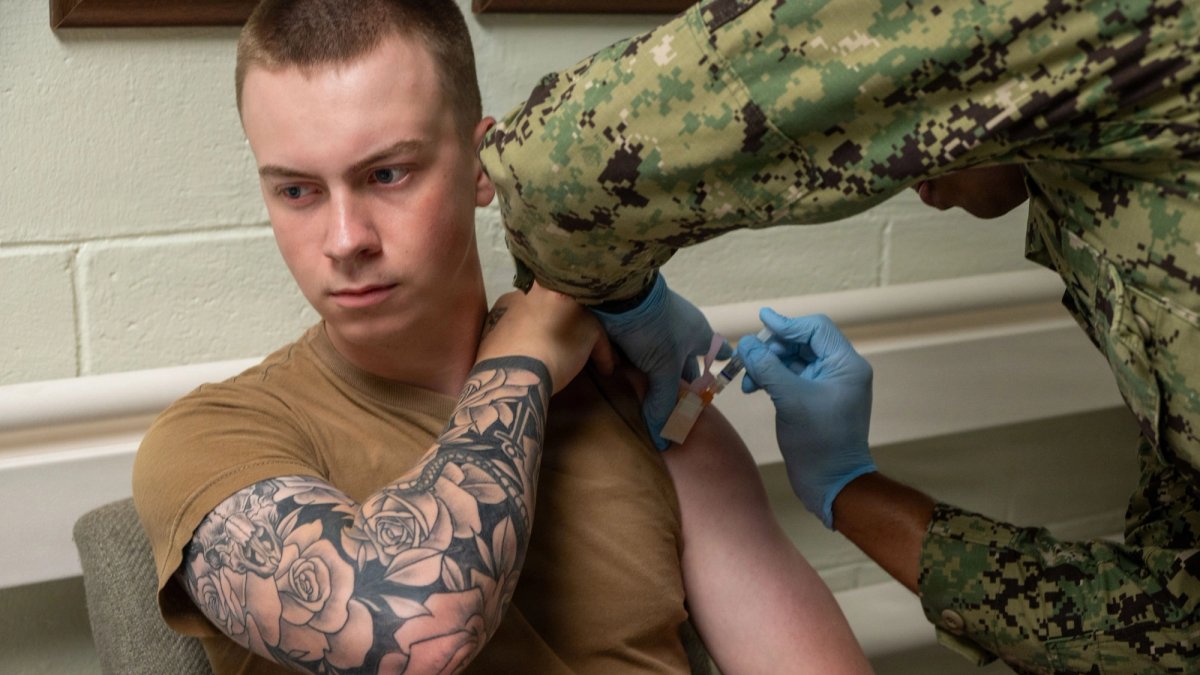
For most civilians, the flu usually means staying home, resting, and avoiding others until symptoms improve. Then things usually return to normal. If you’re in Air Force Basic Military Training, the situation is very different.
You live with other recruits in close quarters, and days are carefully scheduled from sunrise to lights out. Everything has a routine, and that’s why outbreaks at a military training base are so different from what happens in civilian life.
Hundreds of recruits live, train, and interact every day. So, when the flu breaks out, it can affect training schedules and medical resources and may even require a response from certain units to prevent the illness from spreading further.
Over the past few weeks, an influenza outbreak has grown steadily at Lackland Air Force Base, a part of Joint Base San Antonio in Texas, the Air Force’s main basic training hub. Interventions are already underway, and safety measures are being implemented to counter the ongoing outbreak.
Here's what we know about where the flu might have come from, how leaders are taking action, and what safety measures are being put in place.
The Ongoing Influenza Outbreak
The influenza outbreak at Joint Base San Antonio-Lackland has continued to grow through June.
According to KSAT’s June 24, 2026 report, U.S. Rep. Joaquin Castro said at least 222 influenza cases had been confirmed at the base. KSAT also noted that this followed earlier reporting of more than 150 military recruits testing positive the previous week. Meanwhile, ABC News reported that four people had been hospitalized as of Tuesday, June 23.
During a June 30 press conference on the Lackland flu outbreak, Reps. Joaquin Castro (TX-20) and Chrissy Houlahan (PA-06) said that the number of confirmed cases had reached 284.
The rise in cases illustrates how quickly influenza can spread in a basic training environment. Military training requires a more coordinated response to prevent
a single case from affecting an entire training unit.
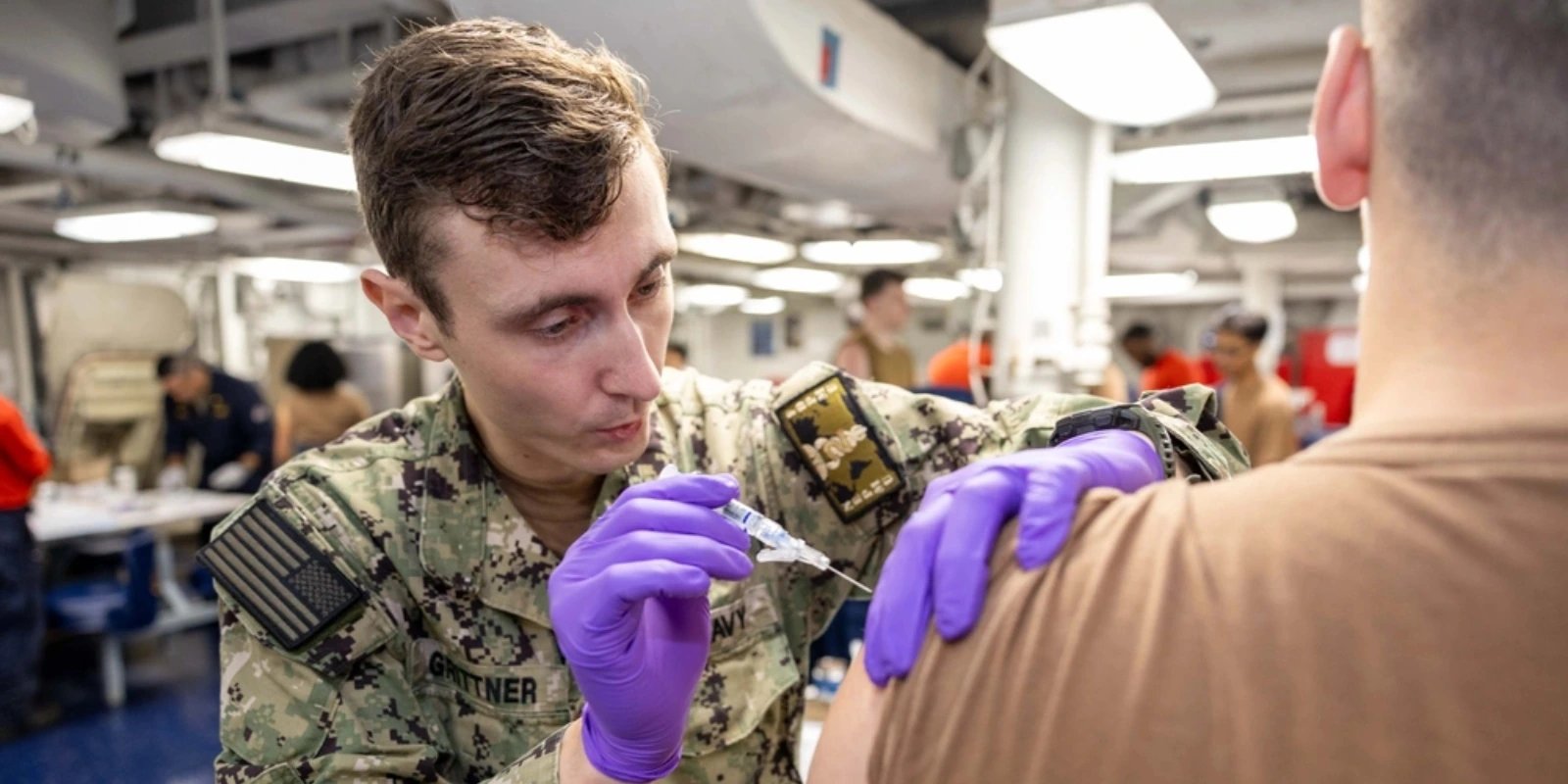
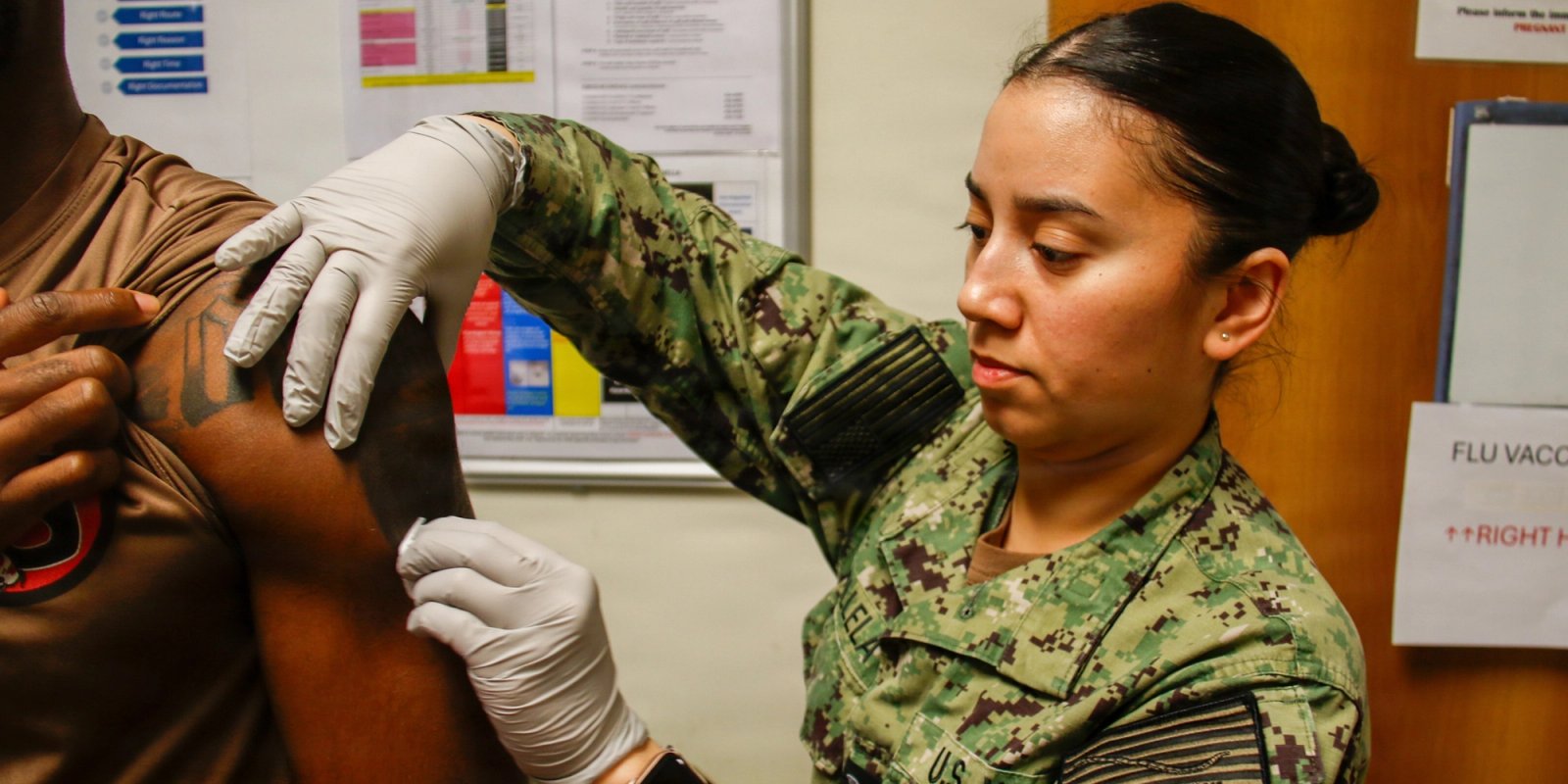
In response, the Pentagon said it is once again requiring the flu vaccine for all recruits in the Army, Navy, and Air Force, after Defense Secretary Pete Hegseth had made it optional earlier this year.
When announcing the policy change on a video, the Secretary argued that a mandatory flu vaccine for every service member was too broad an approach,
“The notion that a flu vaccine must be mandatory for every service member, everywhere, in every circumstance, at all times, is just overly broad and not rational.”
"Our new policy is simple: If you, an American warrior entrusted to defend this nation, believe that the flu vaccine is in your best interest, then you are free to take it; you should. But we will not force you," he added in his video statement on social media.
This memorandum was signed in April 2026, stating that the
“...annual influenza vaccine is voluntary for all active and reserve component service members and War Department civilian personnel.”
While the decision to require the flu shot again has drawn national attention, vaccination is only one part of the military's response.
What Makes It Easier to Spread the Flu
Influenza is a contagious respiratory illness that is caused by influenza viruses, which most of us know as the flu. It directly affects the nose, throat, and sometimes the lungs. While many people recover within a few days to two weeks, the illness can become serious for some individuals and spread quickly in places where people are in close contact.
The virus can be transmitted through tiny respiratory droplets released when an infected person coughs, sneezes, talks, or even breathes. When droplets are inhaled by nearby people or land on surfaces others later touch before touching their eyes, nose, or mouth, that is when they can get the virus.
Military bases create an environment where the flu can spread more easily than it would in everyday life. Yes, recruits develop qualities that help build discipline and teamwork, but they also create conditions conducive to the spread of respiratory viruses, such as influenza.
This constant close contact makes it easier for respiratory viruses to move from one person to another. Because if one recruit becomes infected, the virus can spread through droplets released during everyday conversations, physical training, or simply by sharing common spaces before symptoms are even recognized.

The Flu Shot Is Not Just the Solution
Since the Pentagon has decided to require flu vaccinations again, it has clearly received most of the public's attention. The thing is, vaccination is just one layer of protection; therefore, your health isn’t guaranteed by just one shot. Once an outbreak begins, medical teams have to shift from prevention to containment.
“Over the last three weeks, the 37th Training Wing, in close coordination with the 59th Medical Wing, has been managing a localized influenza outbreak among trainees at Basic Military Training,” said an Air Force spokesperson.
The Air Force spokesperson also said that medical professionals and Public Health officials have implemented safety measures to isolate and treat symptomatic recruits, reduce further exposure, and continue to monitor the situation.
Recruits who develop flu symptoms are isolated from others while they receive medical care. This helps in limiting additional exposure within the training population.
At the same time, the Air Force spokesperson said that medical personnel are also monitoring recruits who were in close contact with those who became sick. Symptomatic trainees are also being treated with antiviral medications such as Tamiflu when appropriate.
However, the existing stock of seasonal influenza vaccines has already reached its expiration date, June 30, 2026. New vaccines are not expected to be available until late August or early September. Until new vaccines become available, the Air Force will continue relying on other public health measures to manage the outbreak.
Cong. Castro Calls for a Required Vaccine For All Service Members
Congressman Joaquin Castro (TX-20), Congresswoman Chrissy Houlahan (PA-06), and Congressman Gil Cisneros (CA-31) also held a press conference on June 30, urging the Pentagon to restore the vaccine requirement for all service members.
“When our troops volunteer to risk their lives for our country, the least we can do is not ask them to risk their lives because their leaders abandoned decades of military medicine,” said Congresswoman Houlahan in a statement.
Therefore, they aim to make all six branches receive the mandatory flu vaccine: the Army, Marine Corps, Navy, Air Force, Space Force, and Coast Guard. Currently, the Pentagon has required only recruits from the Army, Navy, and Air Force to receive the shot.
Cong. Castro also connects Keon McDaniel’s death to the outbreak, stating,
“This is a tragedy that could have been prevented were it not for the reckless actions of Secretary Hegseth.”
The renewed calls for a broader vaccine requirement came after trainee Keon McDaniel died during the outbreak. Members of Congress cited the incident as they urged the Pentagon to restore the influenza vaccine requirement across the armed forces, while continuing to emphasize that the military's response should be guided by science and public health expertise.
“I introduced an amendment with Rep. Houlahan to reinstate the flu vaccine mandate for all servicemembers, which Republicans in Congress promptly rejected. I will continue to push for the Pentagon to fully restore its vaccine mandate and protect lives. Our military must be guided by science, not politics,” said Congressman Castro.
Reps. Castro and Houlahan co-sponsored an amendment to the National Defense Authorization Act that would reinstate the annual influenza vaccine requirement across the armed forces, but it was rejected by the House.
“The House Rules Committee's refusal to make our amendment in order was a missed opportunity to right Secretary Hegseth's wrong and to put military readiness ahead of politics. We owe our service members better,” Congresswoman Houlahan added in relation to the rejection of the amendment.

How Is the Air Force Managing the Outbreak?
The Air Force's response to the outbreak involves several layers of protection rather than relying on a single solution.
Step 1: Medical Evaluation
The medical evaluation begins when a recruit experiences flu-like symptoms, such as fever, cough, sore throat, body aches, or fatigue. The medical personnel assigned will evaluate the trainee to determine whether their symptoms are consistent with influenza or another respiratory illness.
In any viral disease, identifying cases early is one of the most effective ways to reduce further spread. The sooner someone is evaluated, the sooner medical teams can begin treatment and take additional precautions if needed.
Step 2: Isolation
If a recruit is suspected or confirmed to have influenza, they are separated from the rest of their training unit. According to an Air Force spokesperson,
“Medical professionals and Public Health officials have implemented mitigation measures to isolate and treat symptomatic trainees to reduce further exposure and continue to monitor the situation.”
Temporarily separating sick individuals helps break the chain of transmission and lowers the risk of additional infections.
Step 3: Monitoring
Medical personnel are also monitoring trainees who were in close contact with sick recruits in case they begin developing symptoms themselves.
Since influenza can spread before symptoms become apparent, monitoring exposed individuals allows healthcare providers to identify new cases early and respond before the virus spreads further within the training population.
Monitoring is especially important because the flu can be severe, and it can help medical teams stay ahead of new infections.
Step 4: Treatment
Along with the flu vaccine, the Air Force says symptomatic trainees are being treated with antiviral medications such as Tamiflu when appropriate.
Unlike antibiotics, which treat bacterial infections, antiviral medications work against viruses like influenza.
Step 5: Medical Clearance
Before recruits rejoin their unit, they must first be evaluated and medically cleared by healthcare professionals.
This last step, medical clearance, will ensure that recruits have recovered sufficiently to safely resume the physical demands of Basic Military Training while reducing the risk of exposing fellow recruits to the virus.
Once they are cleared by medical professionals, they will return to training, as per an Air Force spokesperson.
What Happens Next?
While the Air Force continues working to contain the outbreak, several questions remain unanswered. For now, military medical teams are continuing the same layered response: identifying recruits who become ill, isolating symptomatic trainees, monitoring close contacts, providing antiviral treatment when appropriate, and clearing recruits before they return to training.
The next few weeks will be particularly important for military leaders. With the previous supply of seasonal flu vaccines now expired and new doses not expected until late August or early September, the Air Force will continue relying on these mitigation efforts to manage the outbreak.
What remains to be seen is whether those efforts are enough. The outbreak at Lackland is already one of the most visible consequences of the Pentagon's decision to make flu vaccinations optional. If case numbers continue to rise in the weeks ahead, pressure on the Pentagon to restore a broader vaccine mandate across all six branches will almost certainly grow.
For the recruits currently moving through Basic Military Training, the outcome of that policy debate is not abstract. It directly affects their health, their training timeline, and their transition into the force.
Continue Reading
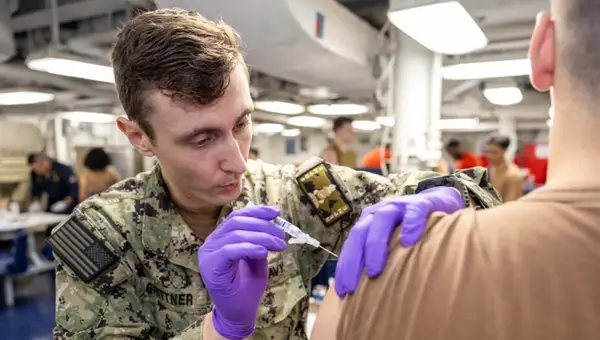
Pentagon Adjusts Flu Shot Policy for Troops' Readiness
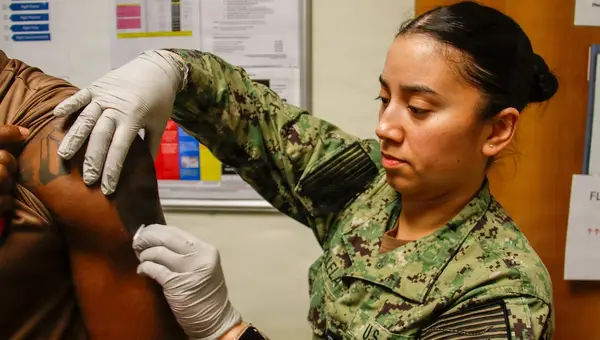
The Flu Shot Is Now Optional for All Troops. Which Vaccines Are Still Mandatory?
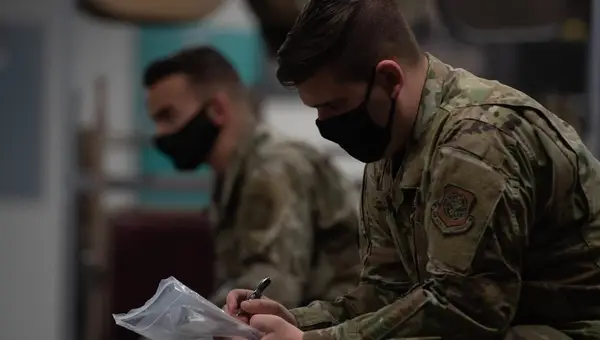
CDC Updates Respiratory Illness Guidance for Military Bases: What to Know in 2026
Join the Conversation

Allison Kirschbaum
Veteran, Military History & Culture Writer at MyBaseGuide
Allison Kirschbaum is a Navy Veteran and an experienced historian. She has seven years of experience creating compelling digital content across diverse industries, including Military, Defense, History...
Allison Kirschbaum is a Navy Veteran and an experienced historian. She has seven years of experience creating compelling digital content across diverse industries, including Military, Defense, History...
Credentials
- Navy Veteran
- 7 years experience in digital content creation
- Expertise across Military, Defense, History, SaaS, MarTech, FinTech industries
Expertise
- Military History
- Naval Operations
- Military Culture
SHARE: