Active Duty Troops Could Begin Receiving MDMA-Assisted PTSD Therapy Next Year

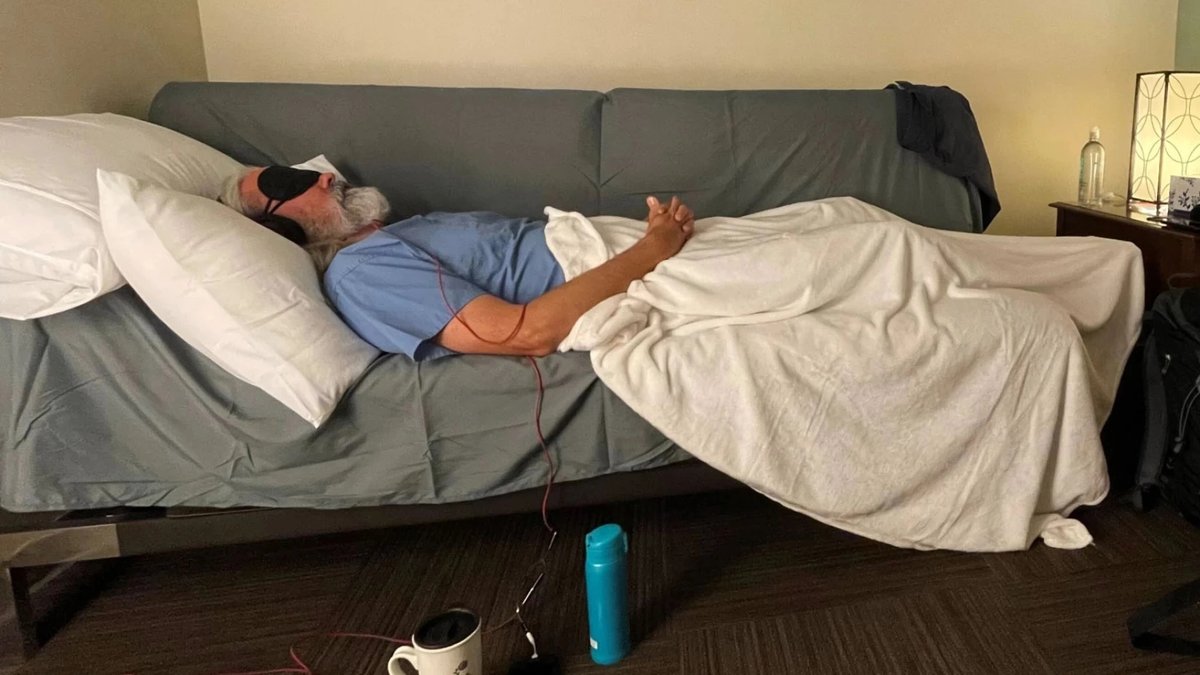
Military researchers and clinicians are preparing for something that would have seemed almost impossible inside the defense and medical establishment just a few years ago: active-duty service members receiving MDMA-assisted therapy for PTSD as part of federally backed clinical trials. Before that can happen, another challenge is already unfolding behind the scenes. Therapists, researchers, military-affiliated clinicians, and healthcare systems are now trying to build the infrastructure needed to support a treatment model that looks very different from conventional PTSD care.
That includes specialized provider training, expanded ethical oversight, new clinical protocols, and preparation for therapy sessions that can last significantly longer than standard behavioral health appointments. None of that fits neatly into the military’s traditional mental healthcare structure.
For active-duty troops and military families watching these developments closely, these details are meaningful because PTSD treatment inside military systems has historically followed a much smaller framework.
Medication management, short counseling appointments, cognitive therapies, and symptom stabilization have defined much of the process for years. MDMA-assisted therapy introduces a completely different approach centered more heavily on trauma processing itself, and for now, much of that system is still being built in real time.
What Has Actually Been Confirmed
DoD is funding two clinical trials studying MDMA-assisted therapy for PTSD in active-duty service members. The studies are expected to involve approximately 186 participants and include research partnerships with institutions such as Walter Reed National Military Medical Center and Emory University.
Each study is reportedly receiving approximately $4.9 million in funding. Military-backed PTSD research rarely advances this far without years of internal review, medical scrutiny, and institutional support.
At the same time, there are still important limitations on what has actually been approved. The military is funding research into MDMA-assisted therapy. It’s not broadly offering MDMA treatment to troops, and the substance itself is still not approved by the U.S. Food and Drug Administration as a PTSD treatment.
Why Therapist Training Has Become One of the Biggest Challenges
One of the biggest misconceptions surrounding MDMA-assisted therapy is the idea that the treatment centers primarily on the substance itself. Clinicians involved in psychedelic-assisted therapy research have repeatedly emphasized that the therapy model depends heavily on provider training, patient preparation, monitored treatment environments, and post-session integration work afterward.
That creates an implementation challenge for military healthcare systems already operating under significant behavioral health strain. Most military therapists are not currently trained to conduct sessions that can last much of the day while guiding someone through intense trauma processing in real time, and lack experience with psychedelics like Ibogaine or Psilocybin. Existing appointment and health care structures weren’t designed with this model of care in mind.
Organizations involved in psychedelic-assisted therapy research, including Multidisciplinary Association for Psychedelic Studies, have developed specialized training programs focused specifically on trauma-informed psychedelic therapy. Providers receive instruction on safety procedures, patient screening, therapeutic oversight, and how to navigate emotionally vulnerable treatment sessions that may unfold unpredictably.
Military clinicians are also confronting a logistical reality that has received far less public attention: these therapies require time-intensive provider involvement inside systems that are already struggling with staffing shortages in some areas of mental healthcare. This isn’t a small change. This is a “build the plane as you fly it” environment.

The Military Mental Health System Is Examining a Different Treatment Framework
For years, many military PTSD treatment discussions focused heavily on symptom management, such as sleep disruption, anxiety, depression, hypervigilance, medication tolerance, and return-to-duty timelines. MDMA-assisted therapy research is being studied differently. The approach centers more directly on helping patients process traumatic experiences in a controlled therapeutic environment rather than simply reducing outward symptoms. This is an attempt to treat PTSD at the source.
According to the Department of Veterans Affairs, psychedelic-assisted therapies are being researched for their potential to help patients engage with traumatic memories while reducing fear responses that can interfere with therapy. That approach may ultimately require clinicians to take on a different role during treatment itself. Many researchers and clinicians remain cautious, particularly because long-term evidence is still limited and the FDA approval process remains unresolved. Skepticism exists inside military culture, too.
Some active-duty troops and Veterans still hear “MDMA” and immediately associate it with illegal recreational drug use rather than controlled therapeutic research. Others question whether military systems can realistically support resource-intensive therapy models if they eventually move beyond limited clinical trials.
There are also concerns about stigma, command visibility, career implications, and whether service members would feel fully comfortable volunteering for studies involving federally controlled substances. Those questions have not disappeared simply because interest in psychedelic-assisted therapy has grown.

Why Interest in Alternative PTSD Treatments Keeps Growing
PTSD continues to affect large numbers of service members and Veterans despite years of expanded mental health initiatives. Traditional treatment approaches help many people, but not everyone responds the same way.
Some service members spend years moving through medication adjustments, counseling programs, sleep treatments, and temporary periods of improvement that eventually collapse under stress or operational demands.
Some medically retire earlier than expected. Some leave the military carrying unresolved trauma that continues affecting relationships, employment, and long-term health years after separation. Spouses often end up managing the fallout at home long before anyone acknowledges how serious things have become.
That reality is part of what has pushed federal agencies, researchers, lawmakers, and Veterans advocacy groups to explore alternative PTSD treatments more aggressively over the last several years.
What Happens Next
For now, the military-backed MDMA-assisted therapy programs remain in the clinical trial phase, and participation will be limited to approved research candidates. There is no confirmed timeline for broader military availability, and MDMA-assisted therapy has not received FDA approval as a standard PTSD treatment.
Still, the preparation happening now inside military-affiliated research and clinical communities suggests healthcare systems are beginning to seriously examine how psychedelic-assisted therapy could eventually fit into future PTSD care if ongoing studies continue showing promising results.
That preparation is not just about the treatment itself. It is about whether military healthcare systems can realistically build enough provider capacity, training oversight, and patient trust to support an entirely different model of trauma care.
For many service members and military families, that may become the defining question behind this entire shift. Because if these therapies eventually move beyond clinical trials, the success or failure of the effort may depend just as much on the clinicians guiding the process as the treatment being studied.
Continue Reading

DoD Aims to Transform Moves With a Standalone Agency by the End of 2026
Prepare for TRICARE Open Season 2026: Key Dates and Why You Should Enroll Early

The Race is On: States Compete to Host Hegseth’s ‘Next Great American Base’
Join the Conversation

Natalie Oliverio
Veteran & Senior Contributor, Military News at MyBaseGuide
Natalie Oliverio is a Navy Veteran, journalist, and entrepreneur whose reporting brings clarity, compassion, and credibility to stories that matter most to military families. With more than 100 publis...
Natalie Oliverio is a Navy Veteran, journalist, and entrepreneur whose reporting brings clarity, compassion, and credibility to stories that matter most to military families. With more than 100 publis...
Credentials
- Navy Veteran
- 100+ published articles
- Veterati Mentor
Expertise
- Defense Policy
- Military News
- Veteran Affairs
SHARE: