The Sixty-Day Deal That Lasted Twenty: Hostilities With Iran Resume

The United States and Iran are back at war, and as of this writing, there is no end in sight. The ceasefire has broken down, and while diplomats from several countries frantically work back channels to restore the fragile peace, the reality on the ground has already shifted.
The collapse began exactly where this conflict has always lived, in the contested waters of the Strait of Hormuz. When Iranian forces struck commercial tankers transiting the waterway on July 6 and 7, U.S. Central Command answered with roughly 170 strikes inside Iran across two waves. Iran immediately retaliated with massive missile and drone barrages against American bases in Bahrain, Kuwait, and Qatar. In a span of just 48 hours, the fragile framework that was supposed to end America's war with Iran collapsed in real time.
For the servicemembers manning air defense consoles in the Persian Gulf, and for the displaced military families waiting out yet another deployment extension, the question is no longer whether the ceasefire holds. It is how long this war runs, and at what cost.
How We Got Here: The 109-Day War
The United States and Israel launched joint strikes across Iran on February 28, 2026, a campaign that killed Supreme Leader Ayatollah Ali Khamenei in its opening minutes. The strikes followed weeks of escalating pressure, including one of the largest U.S. force buildups in the region since the 2003 invasion of Iraq: two carrier strike groups, more than 120 combat and support aircraft surged into theater, and F-22s deployed to hardened shelters in southern Israel, transforming the region into an active warzone overnight.
Iran's counterpunch centered on the weapon it has always held in reserve: shutting down the Strait of Hormuz. Tehran closed the vital waterway through which roughly 20 percent of the world's seaborne oil flows, triggering an immediate and historic global supply shock. While energy markets fluctuated wildly, the initial closure forced the International Energy Agency's 32 member states to release 400 million barrels from emergency reserves just to prevent a global market collapse.
Simultaneously, Iran launched drone and missile strikes across the Gulf at U.S. and allied targets. The strikes killed thirteen U.S. servicemembers and wounded as many as 400.
Over the course of the 109 days, thirty-nine of which were full-intensity combat, there were more than 13,000 strikes on Iranian military targets by U.S. forces. CENTCOM commander Admiral Brad Cooper noted at the April ceasefire that U.S. forces were averaging 300 to 500 targets a day at the campaign's height.
Iran answered with roughly 2,410 ballistic missiles and 3,560 drones in the first ten days alone, according to Israeli military estimates, with Gulf states absorbing far more of that fire than Israel itself. The human toll inside Iran ranges from 3,468 dead confirmed by Iran's Foundation of Martyrs to more than 6,000 per U.S. and Israeli estimates, with 15,000 to 26,500 injured. Gulf partner nations counted roughly 29 killed, most of them in the UAE and Kuwait.
The war cost American taxpayers an estimated $113.3 billion through mid-June and claimed 42 U.S. aircraft lost or damaged per a Congressional Research Service tally. This included the first combat loss of an E-3 Sentry, destroyed on the ground at Prince Sultan Air Base. Iran's reach extended as far as a drone strike on RAF Akrotiri in Cyprus, roughly a thousand miles from Iranian soil.
A temporary ceasefire suspended the most intense fighting on April 8, but the Strait of Hormuz remained the sticking point. When initial talks collapsed on April 12, President Trump ordered a naval blockade of Iranian ports. Iran, in turn, conditioned passage through the strait on using its approved routes and, eventually, paying tolls. That standoff, the American blockade against the Iranian "toll booth," defined the next two months of maneuvering, punctuated by Iranian strikes on tankers and U.S. retaliatory attacks, including a June exchange that saw Iran hit American positions in Bahrain, Kuwait, and Jordan.

A Peace Signed at Versailles
On June 17, President Trump and Iranian President Masoud Pezeshkian signed a 14-point memorandum of understanding intended to wind down the war. The document, brokered with Pakistani and Qatari mediation and dubbed the "Islamabad MOU" in Tehran, was an interim framework rather than a peace treaty, designed to stop the shooting long enough to negotiate a permanent end to hostilities.
The MOU's key provisions fell into four baskets:
1. An end to fighting: An "immediate and permanent termination of military operations" on all fronts.
2. The Strait-for-Blockade exchange: Iran would reopen the Strait of Hormuz and permit safe passage of commercial vessels at no charge for 60 days, while the United States would lift its naval blockade of Iranian ports within 30 days.
3. Economic relief: The U.S. would waive sanctions to permit Iranian oil sales during the negotiating period, unfreeze funds, and develop a $300 billion reconstruction fund for Iran.
4. The nuclear question: Iran affirmed it would not seek a nuclear weapon, and its stockpile of highly enriched uranium would be diluted under IAEA supervision.
Everything hung on a 60-day negotiating window, with a deadline in mid-August. But notably absent was any mention of Iran's ballistic missile program, which Tehran declared off the table entirely. More critically, the agreement lacked any enforcement mechanism for resolving disputes over compliance.
The president signed the hard copy during a dinner hosted by French President Emmanuel Macron at the Palace of Versailles. Multiple outlets noted the historical resonance of the venue: Versailles is where Woodrow Wilson signed the treaty that ended World War I in 1919, an agreement whose structural flaws historians widely credit with setting conditions for World War II.
The parallel drew immediate domestic skepticism regarding the durability of the deal. Senator Ted Cruz (R-Texas) criticized the diplomatic framework, arguing the administration had surrendered its economic leverage prematurely.
"Before the war, the strait was open, Iran was under maximum pressure, and our strategic deterrence was intact."
"Now, 13 Americans are dead, families have paid billions at the pump, sanctions are being waived, and the kinetic operations have simply paused without solving the structural threat. This framework defers the conflict rather than settling it," said Cruz.
Twenty Days of Ambiguous Conflict
The MOU began fraying almost immediately, and the failure points were visible in the document itself. The agreement obligated Iran to permit "safe passage of commercial vessels," but it left the central question, who actually controls traffic through the strait, to future negotiation with Oman.
Iran read the deal as preserving its authority to designate shipping routes and eventually charge tolls. Washington read it as restoring total free navigation. Both sides then acted on their own interpretation.
On June 20, just three days after the signing, Iran declared the strait closed again, citing continued Israeli strikes in southern Lebanon as a violation of the MOU's first clause. On June 25, an Iranian one-way attack drone struck the Singapore-flagged container ship M/V Ever Lovely as it transited along the Omani coast, a route Iran had not blessed.
CENTCOM called it "a clear violation of the ceasefire" and struck Iranian missile, drone, and coastal radar sites in response. Iran answered on June 28 with missile and drone attacks on Ali Al Salem Air Base in Kuwait and Fifth Fleet facilities in Bahrain, resulting in the death of a Qatari citizen from shrapnel wounds.
By late June, the Navy-overseen Joint Maritime Information Center announced a widened transit corridor hugging the Omani coastline, an explicit challenge to Iran's claimed authority. Commercial traffic crept back up to 30 to 60 crossings per day, well below the prewar 140, but enough to test Tehran's tolerance.

The July Escalation: The Final Collapse
On July 6, a commercial tanker transiting the strait caught fire after a projectile struck its portside off Limah, Oman. Iranian state media claimed the vessel "was targeted after ignoring repeated warnings." By July 7, CENTCOM confirmed Iranian forces had attacked three commercial tankers in total: the M/T Al Rekayyat, the M/T Wedyan, and the M/T Cyprus Prosperity.
Industry analysts quickly highlighted the immediate risks these actions posed to international shipping networks.
"The attacks on three tankers unfortunately proves the point we've made numerous times—it's not safe and free to pass the Strait of Hormuz as long as there is no permanent peace agreement," noted Peter Sand, chief analyst at Xeneta.
"Commercial fleets cannot rely on temporary diplomatic frameworks when the underlying dynamic remains highly kinetic."
Within hours, the Treasury Department revoked the sanctions waiver that had permitted Iranian oil sales. Pulling it was Washington's declaration that the deal's economic framework had collapsed.
The kinetic response followed the same night. CENTCOM announced "a series of powerful strikes" against more than 80 targets, wiping out air defense systems, coastal radars, and more than 60 IRGC small boats in and near the strait.
Iran's retaliation came in the early hours of July 8. The IRGC launched a massive joint missile and drone operation against what it described as 85 U.S. military facilities, heavily targeting Naval Support Activity Bahrain, Sheikh Isa Air Base, Ali Al Salem Air Base, and Camp Arifjan in Kuwait. Air raid sirens screamed across Bahrain and Kuwait as Gulf air defenses engaged incoming threats, lighting up the night sky with interceptors.
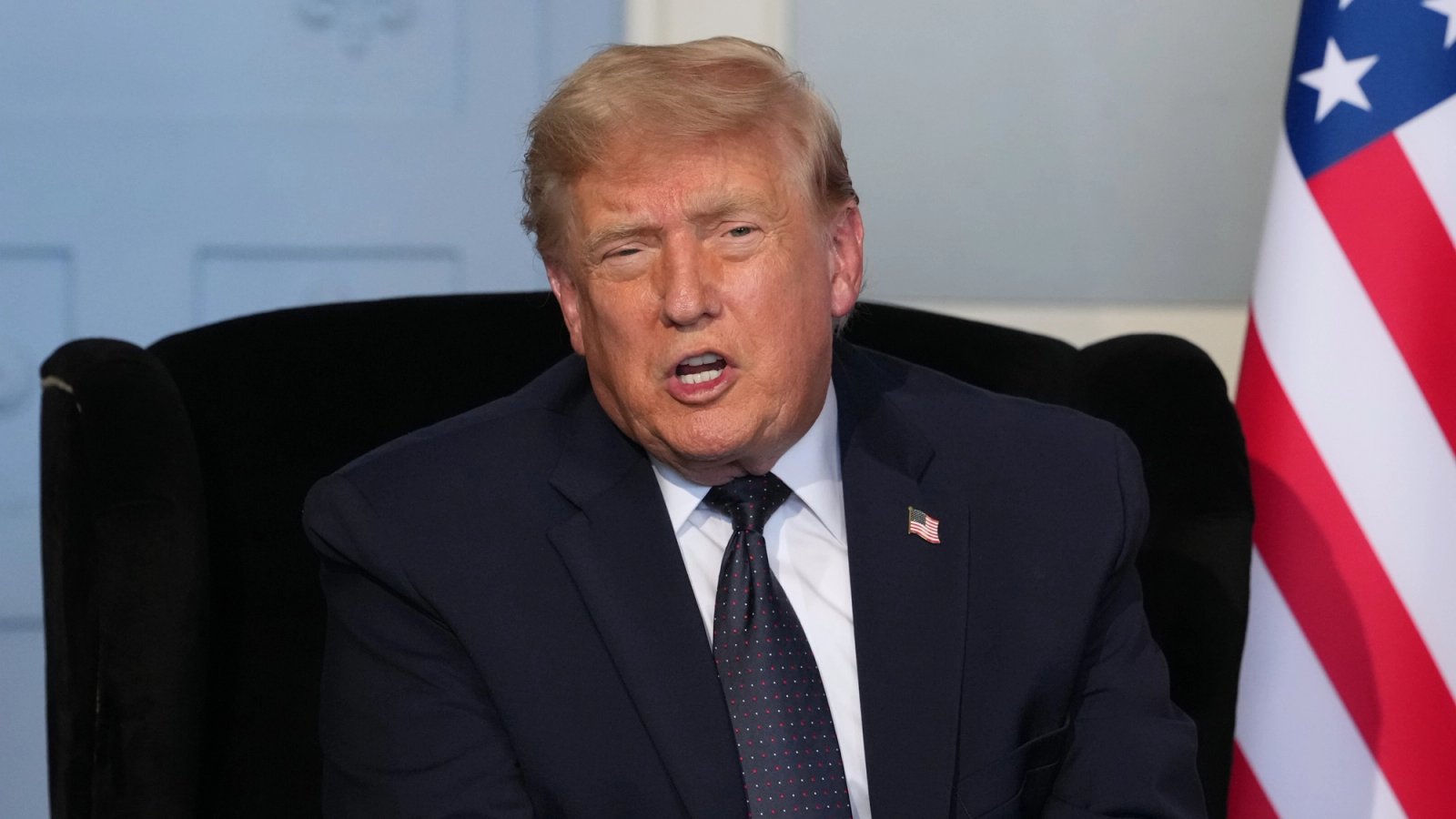
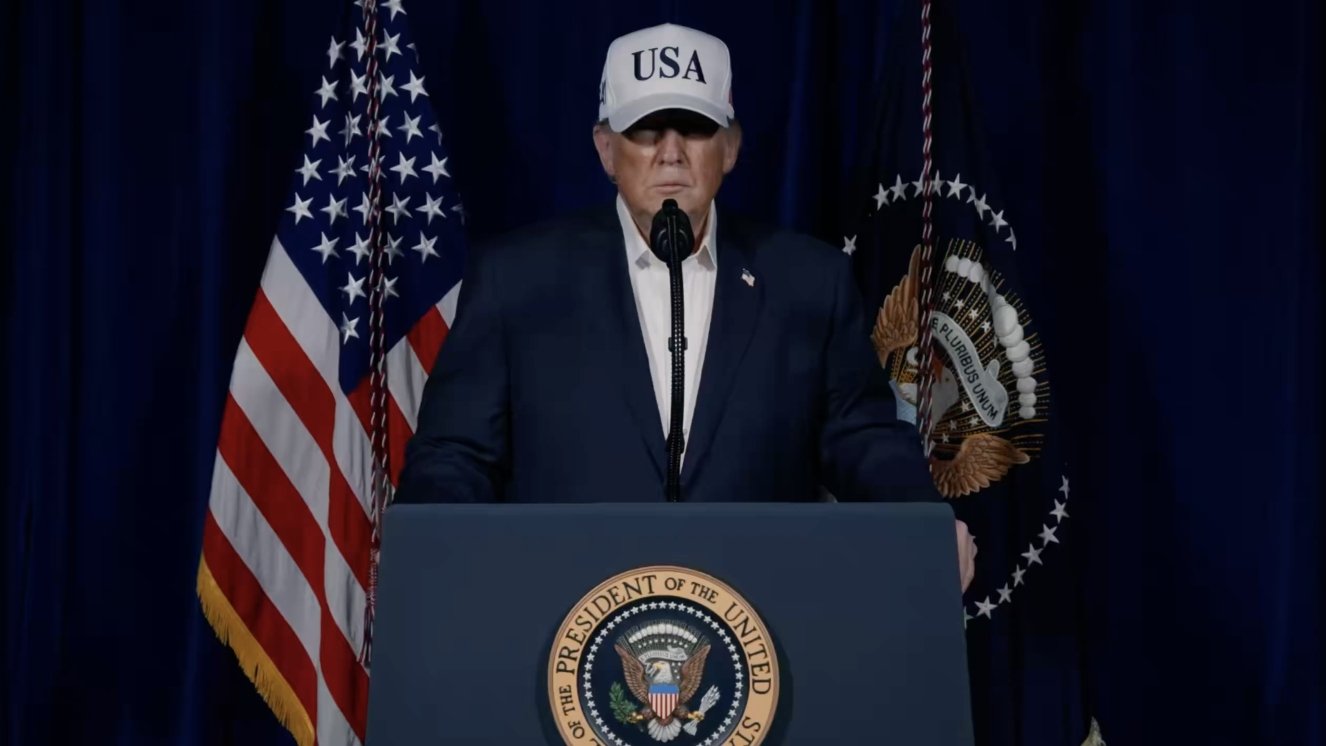
At the NATO summit in Ankara, President Trump pronounced the ceasefire finished, calling further negotiation "a waste of time." That night, CENTCOM executed a second wave against roughly 90 additional targets. By July 9, as Khamenei was buried in Mashhad, Iran launched fresh drone waves against U.S. infrastructure in Kuwait, Bahrain, and Qatar.
The Hidden Cost: What This Means for Military Families
The reality for military families is that the United States is back in sustained combat operations against Iran, with American installations under direct missile and drone attack for the third time in six weeks.
To understand the strain this puts on the force, you have to look at the U.S. Navy's current posture. The Navy already has four big-deck warships in the CENTCOM area: the carriers Abraham Lincoln and George H.W. Bush, plus the amphibious assault ships Tripoli and Boxer. This is the heaviest naval concentration in the region since 2003. Maintaining this posture heavily disrupts standard rotation schedules.
The Gerald R. Ford was already held in theater months past a standard deployment before being relieved, and every carrier now on station in the Gulf is a carrier unavailable to deter threats in the Pacific. Sailors, aircrew, and the logisticians who sustain them should expect heavily extended deployments, compressed dwell time, curtailed port calls, and short-notice surge orders for the foreseeable future.
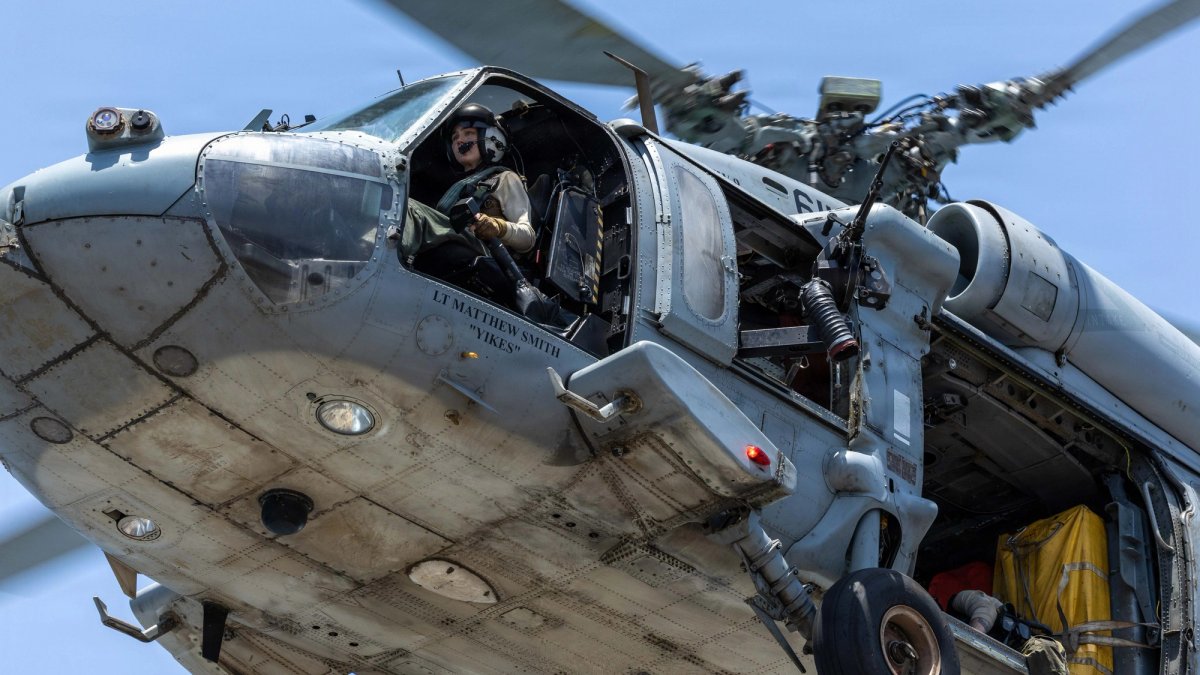
But perhaps no community is bearing a heavier burden than the Army's Air Defense Artillery (ADA) branch. Patriot and THAAD crews in the Gulf are already among the most heavily tasked, frequently deployed formations in the entire U.S. military. Now, they are conducting real-world, life-or-death intercepts on a near-weekly basis.
Families have already paid a staggering price. In March, the Pentagon ordered a non-combatant evacuation operation (NEO) of dependents out of Bahrain after Iranian missiles and drones struck Naval Support Activity Bahrain and residential buildings in the surrounding Juffair neighborhood. It was one of the largest movements of American military families out of the Middle East in years.
Hundreds of dependents and civilian employees landed at Ramstein Air Base and other European installations, many with little more than carry-on luggage. Military spouses suddenly found themselves enrolling kids in temporary DoD schools, hunting for transient housing, and filing endless reimbursement paperwork, all while still owing rent on homes in Bahrain they legally could not return to. Families were splintered across continents, communicating with their active-duty spouses through spotty Wi-Fi while air raid sirens wailed in the background of their calls.
Whatever hope those families had of going back after the June signing is now on indefinite hold, and the renewed attacks on Bahrain, Kuwait, and Qatar this week make any near-term return of dependents to the Gulf difficult to imagine. The 2020 Iranian missile attack on Al Asad Air Base offers a further sobering precedent: no one died, but more than 100 servicemembers were later diagnosed with traumatic brain injuries. Intercepts and near-misses carry costs that do not show up in the first day's reporting, and families should watch for them in the weeks after their servicemember comes home.
The Forward Look: What Happens Next?
With the MOU suspended, a Senate war powers resolution passed but unenforced, and both capitals accusing the other of breaking the deal, the most realistic planning assumption for military families is more deployments to the Middle East, longer ones, and an open-ended conflict that will require a new diplomatic breakthrough to resolve.
For the wider military community, the tangible takeaway is that the U.S. posture in CENTCOM is undergoing a structural shift. The immediate return of accompanied tours to the Persian Gulf is highly unlikely in the near term. Similarly, rotational deployments for naval and air defense units will continue to operate at a heightened, combat-ready operational tempo rather than returning to standard peacetime deterrence missions.
The most practical planning assumption for military families today is to prepare for continued unpredictability. Families should anticipate the likelihood of extended deployments, sudden shifts in theater requirements, and delayed returns. Until a new, enforceable diplomatic framework emerges, the U.S. military footprint in the Middle East will remain in an active, highly dynamic state.
Continue Reading
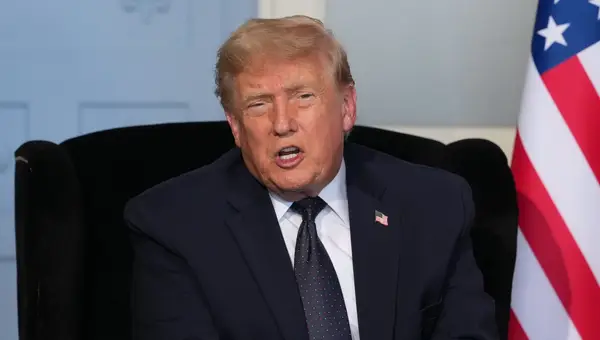
What We Know About the Iran War Ceasefire Deal
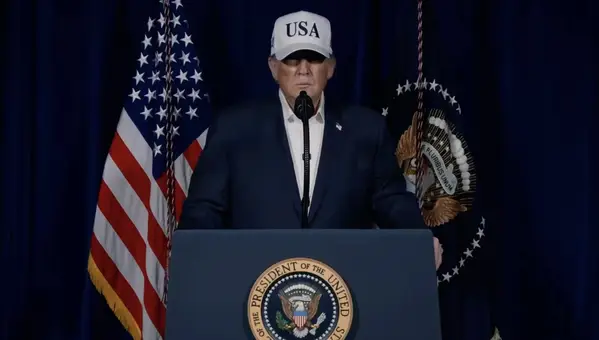
Trump Issues Iran Ceasefire: What Happens Now?
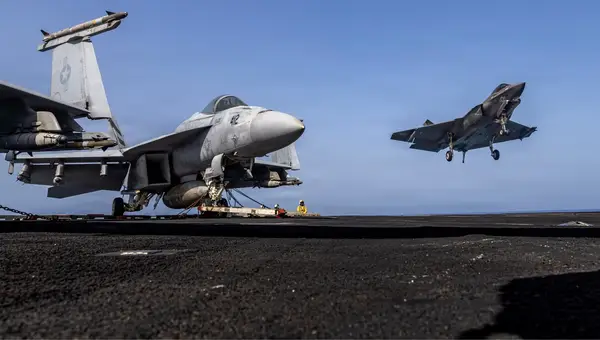
The Iran War 100+ Days In, Where We Are and What’s Next
Join the Conversation

Mickey Addison
Military Affairs Analyst at MyBaseGuide
Mickey Addison is a retired U.S. Air Force colonel and former defense consultant with over 30 years of experience leading operational, engineering, and joint organizations. After military service, h...
Mickey Addison is a retired U.S. Air Force colonel and former defense consultant with over 30 years of experience leading operational, engineering, and joint organizations. After military service, h...
Credentials
- PMP
- MSCE
Expertise
- defense policy
- infrastructure management
- political-military affairs
SHARE: