Fast Food on a Meal Card: Fort Stewart Launches the Army's New 'FEED' Program

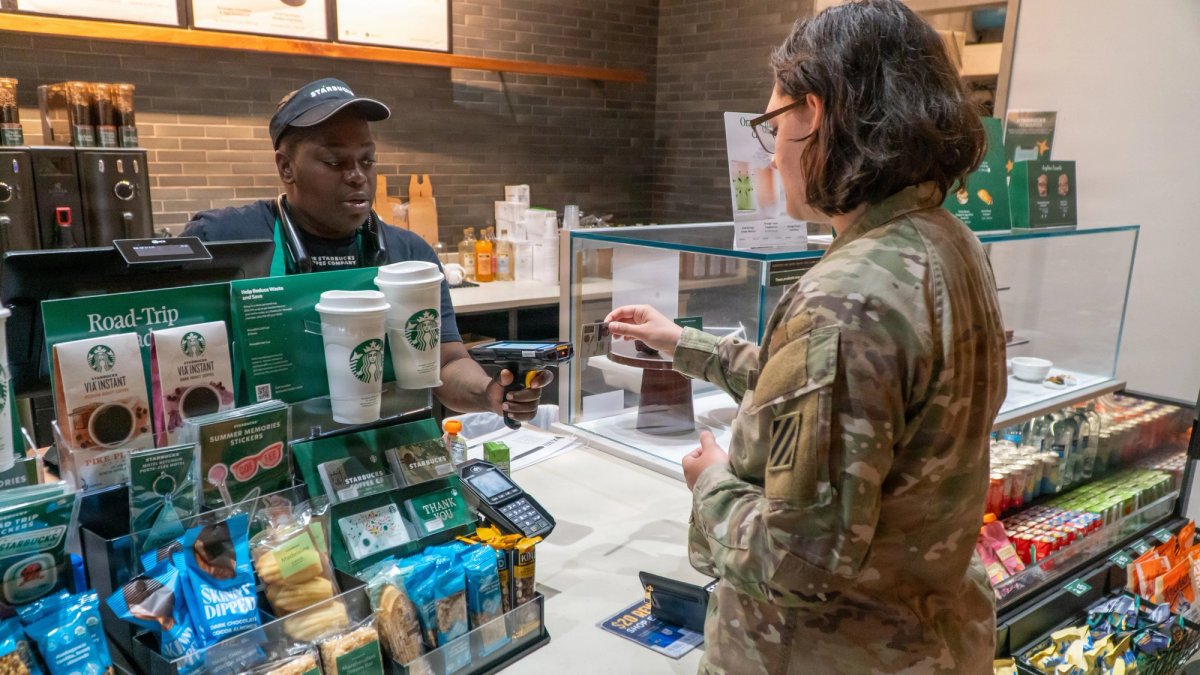
In a major shift toward modernizing base quality of life, eligible junior enlisted soldiers stationed at Fort Stewart are now able to use their standard military meal cards at on-base fast-food chains. On August 3, 2026, the Georgia installation became the first Army post to roll out the Flexible Eating and Expanded Dining (FEED) program. This program lets troops trade traditional dining facility (DFAC) lines for well-known fast-food menus.
“Fort Stewart is proud to be the first Army installation to fully implement the FEED program, marking a significant milestone in the Army's effort to transform how soldiers access meals and improve quality of life,” the 3rd Infantry Division wrote in a Facebook post.
“FEED is designed to give soldiers more choice in where they eat while maintaining access to nutritious meal options that support readiness and today's operational demands.”
Which Restaurants Accept Military Meal Cards?
Soldiers can use their Common Access Cards (CAC) to buy food at on-base chain locations contracted by the Army & Air Force Exchange Service (AAFES).
The specific shift on the Fort Stewart FEED program means participating brands at the Georgia post will include:
- Burger King
- Subway
- Starbucks
- QDOBA
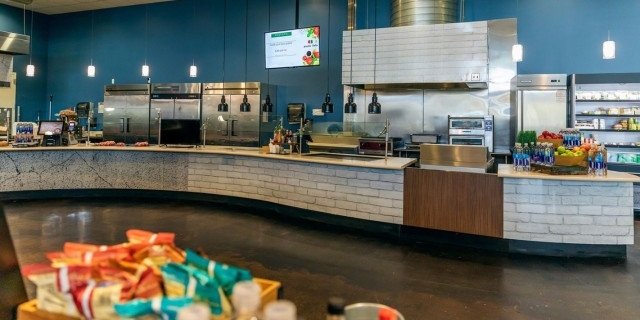
The shift has a very practical purpose. Recently, Fort Stewart shut down its most convenient dining hall to remodel it for a future campus-style layout. Because that project faced delays pushing its grand opening out to 2027, the Army launched the Fort Stewart FEED program to make sure soldiers aren't left without easy food options.

How the Fort Stewart FEED Program Works for Soldiers
Instead of receiving a flexible cash allowance like the "$39 Freedom Dollars" model being piloted at Fort Hood, Texas, this specific program works on a strict, pre-approved menu model.
Samantha Tyler, Public Affairs Specialist for Headquarters, U.S. Army Materiel Command, detailed how the system works.
"The Flexible Eating and Expanded Dining, or FEED, program seeks to enable Soldiers to use their meal entitlements via their Common Access Card (CAC) at AAFES locations across the installation," Tyler stated.
"In this concept, Soldiers will have the option to use their meal entitlements on menus approved by nutritionists and dietitians. This will allow Soldiers to have more food options in places with expanded hours."
When asked about CAC swiping, Samantha Tyler explained that,
"In order for Soldiers to scan their CACs with participating vendors, their CACs must be coded with MEC 09." Once active, Soldiers "go to a participating vendor, look at the approved menu items, order their meal and swipe their CAC, once per meal type."
Food service experts, nutritionists, and dietitians have hand-selected specific menu items based on military health standards and pricing brackets. For example, Tyler noted that a valid breakfast from Starbucks includes a "Turkey Bacon, Cheddar & Egg White Sandwich with Avocado Spread and Flavored Water."
When asked about tracking eligible meals, Tyler explained that "Menus will be visible at participating vendors and viewable on the My Army Post app."
Scheduling Flexibility and Missed Meals
Traditional dining halls have strict, narrow hours for breakfast, lunch, and dinner, which conflict with training schedules, work tasks, or late motor pool shifts. The Fort Stewart FEED program plans to solve this scheduling issue.
“Traditional dining facilities operate on set meal periods and have limited hours,” said Air Force Chief Master Sgt. Rich Martinez, the Exchange’s senior enlisted advisor.
“The FEED program leverages existing Exchange food operations to offer more flexible meal options, which supports Soldier readiness.”
The program emerged from soldiers’ requests for more flexibility outside of traditional mealtimes, Lt. Gen. Chris Mohan, commanding general of U.S. Army Materiel Command, explained when the service launched the pilot at Fort Hood.
“We’ve expected soldiers in barracks to follow the same eating patterns that we have maintained for decades,” Mohan said.
“We've expected soldiers to figure it out. We were swinging behind the pitch and failing them. We are on the cusp of totally changing that.”
Data from the first 200-soldier test pilot with the 61st Quartermaster Battalion in Texas showed that troops used it during off-hours. Furthermore, the Army is allowing missed meal redemption.
"The IT systems that allow for the meal card scans are constantly collecting data, allowing the Army to see how Soldiers are using their entitlements," Tyler explained.
"As mentioned earlier, if a Soldier misses one of the meal times, he or she will be able to scan for that meal."
Even better, the system allows built-in planning.
"There are flexibilities with this," Tyler noted. "For example, if a Soldier gets a breakfast meal from Starbucks and knows it may be hard to get to a dining facility in time for lunch, he or she can order a lunch meal during breakfast hours and swipe for that meal. That way, he or she has a meal for later."
The only strict limitation to this flexible data tracking is that "Soldiers cannot scan for multiple days in a row."
The Infrastructure Crisis Behind the 2027 Delays
The Fort Stewart FEED program acts as a solution for troops in the barracks, which highlights a much larger problem. The installation's most convenient dining hall was closed in April 2025 for a modern "campus-style" dining hall. However, delays have pushed the opening out to 2027.
They are tied to the military’s multi-billion-dollar backlog in barracks maintenance, mold clean-up, and dining facility digital upgrades.
By switching to commercial partnerships, the Army is showing that traditional construction and repair timelines don’t keep up with the quality of life needs of its troops.
Tactical Fitness Standards with Fast Food Restaurants
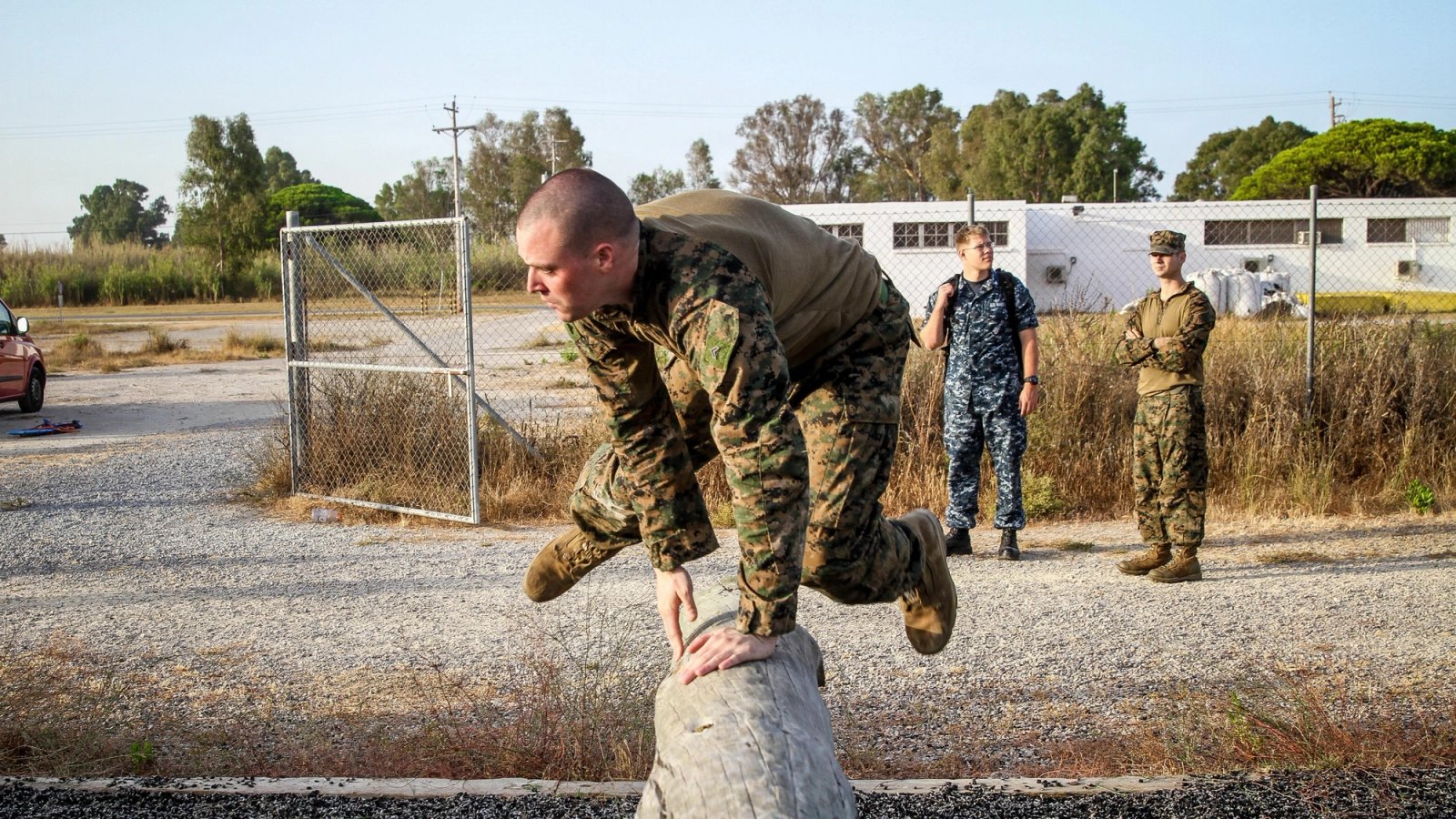
Sending soldiers to fast food chains that include Burger King and Starbucks naturally raises questions about how the military maintains its strict physical fitness and readiness standards. After all, the Holistic Health and Fitness (H2F) initiative is currently the Army’s gold standard for building elite, athlete-level soldiers.
To balance these priorities, the Fort Stewart FEED program does not give troops free rein over the entire fast-food menu. Instead, Army food service experts and registered dietitians have curated high-quality, targeted selections.
For instance, Tyler highlighted that an approved dinner choice at Qdoba is a "Grilled adobo chicken burrito with toppings and a flavored water." At Subway, the nutritionist choice gives troops a "12' Turkey with Flavored Water & Sun Chips." By hand-selecting the options within the digital My Army Post app, the service ensures that convenience does not completely derail physical standards.
"Proper nutrition fuels soldiers’ readiness," Mohan said.
"When soldiers pass up that benefit and that entitlement every single day, we fail them. We are changing that. It’s imperative that the Army gets this right. Our goal is to ensure that soldiers remain the best-sustained, best-fed and fittest fighting force in the world."
From Mess Halls to AAFES: The Evolution of Military Feeding
The launch of the Fort Stewart FEED program is the latest chapter in a long historical evolution of how the American military fuels its troops.
- WWII Era: Feeding consisted of consolidated mess halls and field kitchens that cooked massive batches of rations.
- Late 20th Century: The military shifted toward the "DFAC" model, introducing a bit more variety.
- Modern Day: The rise of commercialized food delivery. Today’s barracks troops are a generation used to mobile ordering, schedules, and diverse food options.
By updating the pre-existing on-base commercial blueprint of AAFES, the Army can now upgrade food options without waiting for expensive brick-and-mortar facilities to be built.

Lessons from the Fort Hood Test Pilot
In August 2025, the Army launched a two-week Limited User Assessment Test at Fort Hood, Texas, involving 200 soldiers from the 61st Quartermaster Battalion. Service members used their military ID cards to redeem breakfast, lunch, and dinner at participating Exchange venues like Freshens, Qdoba, and Burger King.
Army officials noted that the test successfully proved the backend infrastructure could handle real-time scans. Troops loved the convenience and the ability to grab a quick coffee or meal during shifts. However, Army Materiel Command officials noted an important takeaway from the test: many soldiers did not fully understand their purchasing power.
Because a meal entitlement can often go further in a traditional DFAC than a fast-food restaurant, officials realized that broader education is necessary. Troops need to clearly understand exactly what their swipes cover before the program goes wide.
The Future Blueprint for Army Food Ecosystems
Army Materiel Command officials emphasize that the Fort Stewart FEED program is meant to complement, rather than entirely replace, traditional dining halls, food trucks, and 24-hour kiosks. By treating the entire installation as a unified food ecosystem, the service aims to close geographic access gaps for barracks residents.
With the Navy currently launching its own restaurant pilot at Naval Base Kitsap-Bangor in Washington, Fort Stewart's rollout will serve as the premier model for bases nationwide. If successful, this framework could soon change how military meal cards operate across every major branch of the armed forces.
Continue Reading
The Army’s New DFAC Shift: What “Freedom Dollars” Mean for Your Next Meal
19 of the Best Restaurants Near Fort Stewart
The Unfortunate Connection Between Military Food Stamps & Armed Forces Families
Join the Conversation

Michael Madrid
Military News & Gear Specialist at MyBaseGuide
Michael Madrid is a dedicated writer whose reporting brings clarity and authenticity to the stories of military members and their families. Having grown up in the shadow of Fort Bliss as the son of ...
Michael Madrid is a dedicated writer whose reporting brings clarity and authenticity to the stories of military members and their families. Having grown up in the shadow of Fort Bliss as the son of ...
Expertise
- Military News
- Military History
- Tactical Gear
SHARE: