What Happens When Your Vehicle Is Damaged on Base?

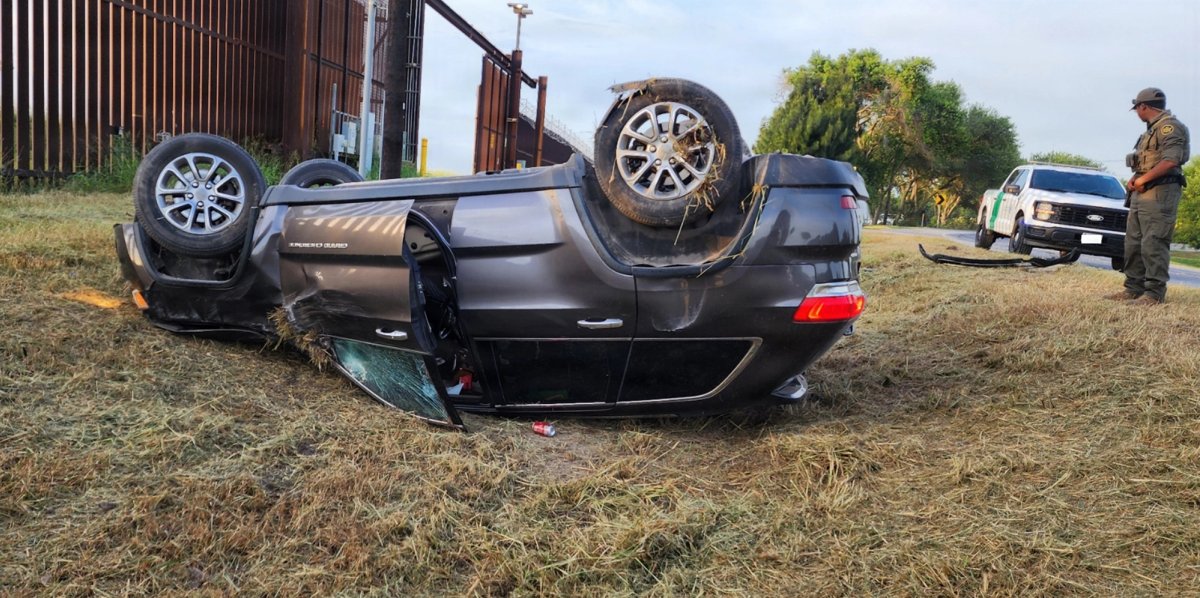
Accidents happen, even on base. If that happens to you, do you know what to do? Here’s a rundown on the processes, players, and things to know.
Accidents on military bases are common. According to an Air Force Installation & Mission Support Center (AFIMSC) spokesman, there were 6,442 minor vehicle accidents and 1,318 major vehicle accidents in the Department of the Air Force alone in fiscal year 2025. The other services likely have similar statistics.
At the Accident Scene
If you and your personally owned vehicle are involved in an accident on base, the initial response will look nearly the same as if it had occurred off base. Someone should call 911, and most often that call will go to the county emergency call center. The civilian dispatcher will then either directly dispatch first responders or relay your call to the on-base dispatcher.
Military police are usually the first to arrive on scene. The 911 dispatcher will ask if there are injuries, a fire, or other hazards, and if so, the fire department will also roll a unit to respond. When there are injuries, the DoD firefighters will stabilize the injured persons and call for an ambulance. Since there are very few military bases with an emergency department or ambulance, that ambulance almost always comes from off base.
Police, either DoD or civilian or both, will then conduct a preliminary investigation, document the accident, collect contact information, and provide everyone with information on next steps.
Whose Jurisdiction?
Not every base is a federal enclave, and understanding who has jurisdiction is important to your claim for damage. On federal property, there are four types of jurisdiction: exclusive, proprietary, partial, and concurrent. Jurisdiction varies from installation to installation, and can even vary within an installation. While military members and their dependents are always subject to military regulations, they may also have to navigate federal or local courts and authorities.
Exclusive jurisdiction means that the federal government is the sole authority. Federal regulations and orders from federal officials have the force of law, just as municipal and state laws apply outside the gate. This type of jurisdiction is not as widespread as one might think, and it’s generally advantageous to the government to share jurisdiction with local and state authorities. Traffic violations and accidents are handled in federal magistrate’s court on a basis of exclusive jurisdiction.
Proprietary jurisdiction is the most common, and it means the federal government is essentially a “tenant” where state and local law take priority over federal regulations (i.e., traffic regulations). However, just like everywhere else, federal law is supreme. This means your traffic accident may find its way into municipal or county traffic court rather than federal magistrate's court.
Partial jurisdiction is a division of responsibility between federal, state, and local authorities. This can mean, for example, that civil matters such as traffic violations are handled by local authorities while criminal matters are handled by federal authorities.
Concurrent jurisdiction means both federal and state laws and regulations apply at the same time. If there is a conflict, federal laws are supreme, but in traffic accidents that’s rarely the case. It might become important if there are injuries and the government is deemed to be at fault.

What About Your Insurance?
Regardless of how thorough the police investigation may be, it is important for those involved in an accident to collect information, as well as document damage and injuries. Take photos of everything, collect the names and contact information of all involved, get the business cards, and note the names and badge numbers of the investigating officers. Find out when and where you can get copies of the police report.
The next step is to file a claim with your insurance provider. There is a federal claim process, but it will likely not be as fast as your insurance provider in getting your vehicle repaired and your medical bills resolved.
It’s also important to remember that the insurance claim process and the federal claim process are separate and therefore can go in parallel. Since your insurance provider may also file a claim against the government for reimbursement, always contact your insurance provider first.
Who’s At Fault?
Just as with an accident off base, the police report will determine who is at fault. Depending on the situation, liability could fall on the driver, the base, a contractor, or someone else involved. Again, working with your insurance provider can be important to help sort out the next steps and what liability you or they may have.
Depending on the situation, you may also want to seek legal representation. If you believe the government was at fault, for example due to a government vehicle striking yours or damage caused by a vehicle barrier activation.
Accidents involving Active Vehicle Barriers are rarer than vehicle accidents. Again, according to an AFIMSC spokesman, on Department of the Air Force bases there were only 19 barrier deployments resulting in vehicle accidents, and only 11 of them involved a vehicle colliding with the barrier itself.

Document, Stay in Contact, Use Your Resources
Most of the time, accidents are resolved quickly between the parties with the assistance of insurance providers. In cases of significant personal injury or when the government is at fault, cases can get complicated.
The important thing is to document everything, remain in contact with everyone involved, file claims with your insurance provider and the government as needed, and seek legal representation when it's appropriate.
For service members and their dependents, the base legal office can be a good resource for information on filing a claim.
Continue Reading

The Race is On: States Compete to Host Hegseth’s ‘Next Great American Base’

How to Cast Your Military Absentee Ballot: Step-by-Step Guide for Service Members
Planning Your Military Career? Why You Should Lock in Life Insurance Early
Join the Conversation

Mickey Addison
Military Affairs Analyst at MyBaseGuide
Mickey Addison is a retired U.S. Air Force colonel and former defense consultant with over 30 years of experience leading operational, engineering, and joint organizations. After military service, h...
Mickey Addison is a retired U.S. Air Force colonel and former defense consultant with over 30 years of experience leading operational, engineering, and joint organizations. After military service, h...
Credentials
- PMP
- MSCE
Expertise
- defense policy
- infrastructure management
- political-military affairs
SHARE: