The Space Force Is Offering a $25,000 Enlistment Bonus, But There’s a Catch

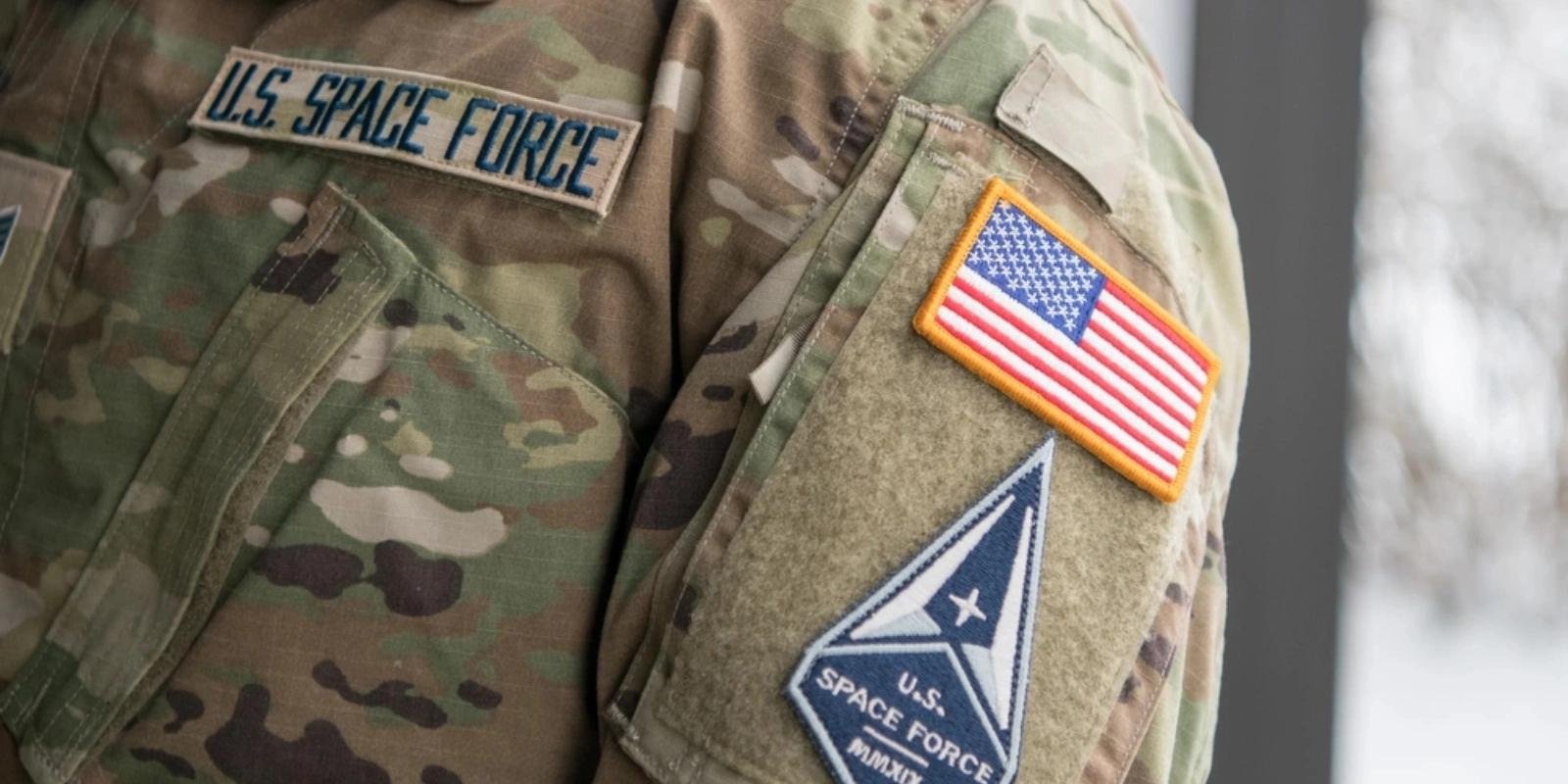
The United States Space Force (USSF) has launched a high-stakes, temporary recruiting strategy. From July 1, 2026, to November 30, 2026, the service is implementing a temporary Initial Enlistment Bonus (IEB) Pilot Program, offering a cash incentive of $25,000 to incoming Guardians.
The program is capped at a maximum of 100 enlisted entries, and recruits must commit to an eight-year active-duty service contract. The pilot program is designed to enhance operational readiness and to provide a return on investment in technical training. On the other hand, for potential recruits, this bonus is not free money. To secure the funds, recruits must successfully meet the standards and finish the service term obligation or face mandatory, pro-rated financial recoupment of the unearned funds.
The Strategy Behind the $25k Enlistment Bonus
The U.S. Space Force needs specialized training for operational roles, including space, intelligence, cyber, and acquisitions career fields. The long duration of these technical training fields reduces the return on investment under a traditional four-year enlistment, as members typically separate shortly after becoming proficient.
To address these retention problems, the Space Force implemented the eight-year contract pilot program. Katharine Kelley, Deputy Chief of Space Operations for Personnel, noted:
“This pilot program supports long-term readiness by giving Guardians greater stability at the start of their careers while ensuring the service benefits from their expertise after extensive technical training.”
Chief Master Sgt. of the Space Force John Bentivegna similarly noted that the longer commitment ensures the service keeps high-level technical certifications, security clearances, and specialized instruction within its ranks.

Program Eligibility and Contractual Requirements
While a $25,000 bonus sounds like a dream come true, the program is for a small minority of applicants. The initial challenge is simply securing one of the slots. Because the pilot program is strictly capped at 100 enlistments nationwide, the opportunity operates on a strict first-come, first-served basis.
The administrative process requires proactive navigation by recruits. According to Maj. Katie M. Mueller, USAF, Secretary of the Air Force Public Affairs Media Operations Officer, the financial incentive is not just an automated administrative guarantee:
"The Initial Enlistment Bonus is not automatic. Eligible applicants are informed of the opportunity during the recruiting process, and once an individual is fully qualified for enlistment into the Space Force, they may request the bonus."
This means recruits cannot simply sign a standard enlistment paper and assume the funds will arrive. They must explicitly request the incentive and pass every phase of the mental, physical, and background verification processes. Maj. Mueller outlines the final administrative step:
"Upon approval, the recruit signs a formal bonus agreement prior to entering active duty."
If recruits depart for Basic Military Training without this signed and finalized within their enlistment packet, they may lose all legal entitlement to the funds, regardless of training performance or specialty placement.
When Will the Bonus Be Paid Out?
Initial Enlistment Bonus funds are not disbursed after contract signing or at the start of Basic Military Training (BMT). Maj. Mueller details the exact steps required to earn the payout:
"The bonus is paid as a single lump sum after the Guardian successfully completes technical training and reports to their first permanent duty station."
Following BMT, recruits must transition to Undergraduate Space Training (UST) or specialized cyber and intelligence fields. These technical fields last from several months to over one year.
During the training period, service members receive standard base pay only. The $25,000 lump sum is paid out after recruits pass all technical training, complete processes for a Top Secret/Sensitive Compartmented Information (TS/SCI) clearance, and officially report to their first permanent operational unit.
Policy Consequences of Early Separation
Service members who fail to complete the full eight-year active-duty service obligation face financial penalties. The Space Force lists unfulfilled contract time as unearned government funds. Maj. Katie M. Mueller breaks down the exact rules for contract defaults:
"A Guardian who separates before completing the eight-year active-duty service obligation is subject to pro-rated recoupment of the unearned portion of the bonus."
Recoupment is proportionally based on the exact amount of time left on the contract. If a service member separates at the four-year mark, they are legally required to repay 50% of the bonus ($12,500) to the Defense Finance and Accounting Service (DFAS). The federal government enforces collection through tax refund offsets, wage garnishment, and credit agency reporting.
Exceptions to the mandatory repayment rule are strictly limited to non-voluntary circumstances. Maj. Mueller specifies the criteria for a financial waiver:
"Repayment may be waived by the Secretary of the Air Force, or a designated authority, when the separation is due to circumstances beyond the member's control and through no fault of their own, such as a medical condition."
Guardians who receive an honorable discharge due to a disqualifying medical issue or physical disability incurred during service are generally exempt from recoupment. However, early separations from voluntary requests, failure to maintain operational training standards, or disciplinary infractions trigger immediate, mandatory repayment.

Pilot Program Assessment and Guidelines
The Space Force is analyzing data from this pilot program in real time to determine if larger monetary incentives can help solve long-term retention issues. Maj. Mueller explains how the Pentagon intends to track and evaluate the program moving forward,
"The Space Force is in the initial stages of rolling out this newly established incentive, starting with late-August entry cohorts. As the first contracts are finalized, we anticipate an initial assessment toward the beginning of August of applicant interest, slot utilization, and whether a waitlist is warranted."
The future of Space Force recruiting strategies depends directly on the metrics gathered from these initial 100 entries. According to Maj. Mueller,
"Program success will be evaluated on total applicant interest and the rate of recruits willing to commit to an eight-year active-duty service contract. This data will directly inform future recruiting strategy, including potential adjustments to bonus amounts and targeted marketing campaigns."
For applicants considering this program, securing the bonus and avoiding financial penalties means strict adherence to administrative procedures. Recruits must first verify slot availability regarding the 100-cap limit with their recruiter before starting the qualification process. Recruits must also ensure a signed, physical copy of the formal bonus agreement is attached to their active-duty enlistment contract prior to departing for Basic Military Training.
Furthermore, applicants must budget for a 6-to-18-month training pipeline during which they will receive standard base pay only, while factoring in automatic federal tax withholdings that reduce the final $25,000 lump-sum deposit. Finally, Guardians must fulfill the entire eight-year commitment to completely avoid a pro-rated government debt clawback.
Continue Reading
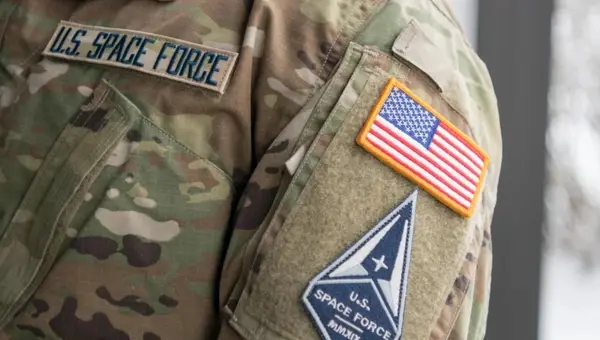
Space Force Guardians Will Soon Receive $360,000 Selective Retention Bonus
$115,000 Could Be Yours With New Navy Enlistment Bonus Offerings
How to Make $50,000 as an Air Force Pilot by Sept. 15, 2023
Join the Conversation

Michael Madrid
Military News & Gear Specialist at MyBaseGuide
Michael Madrid is a dedicated writer whose reporting brings clarity and authenticity to the stories of military members and their families. Having grown up in the shadow of Fort Bliss as the son of ...
Michael Madrid is a dedicated writer whose reporting brings clarity and authenticity to the stories of military members and their families. Having grown up in the shadow of Fort Bliss as the son of ...
Expertise
- Military News
- Military History
- Tactical Gear
SHARE: